


The Invisible Tripwire: Top Visa Mistakes of 2026
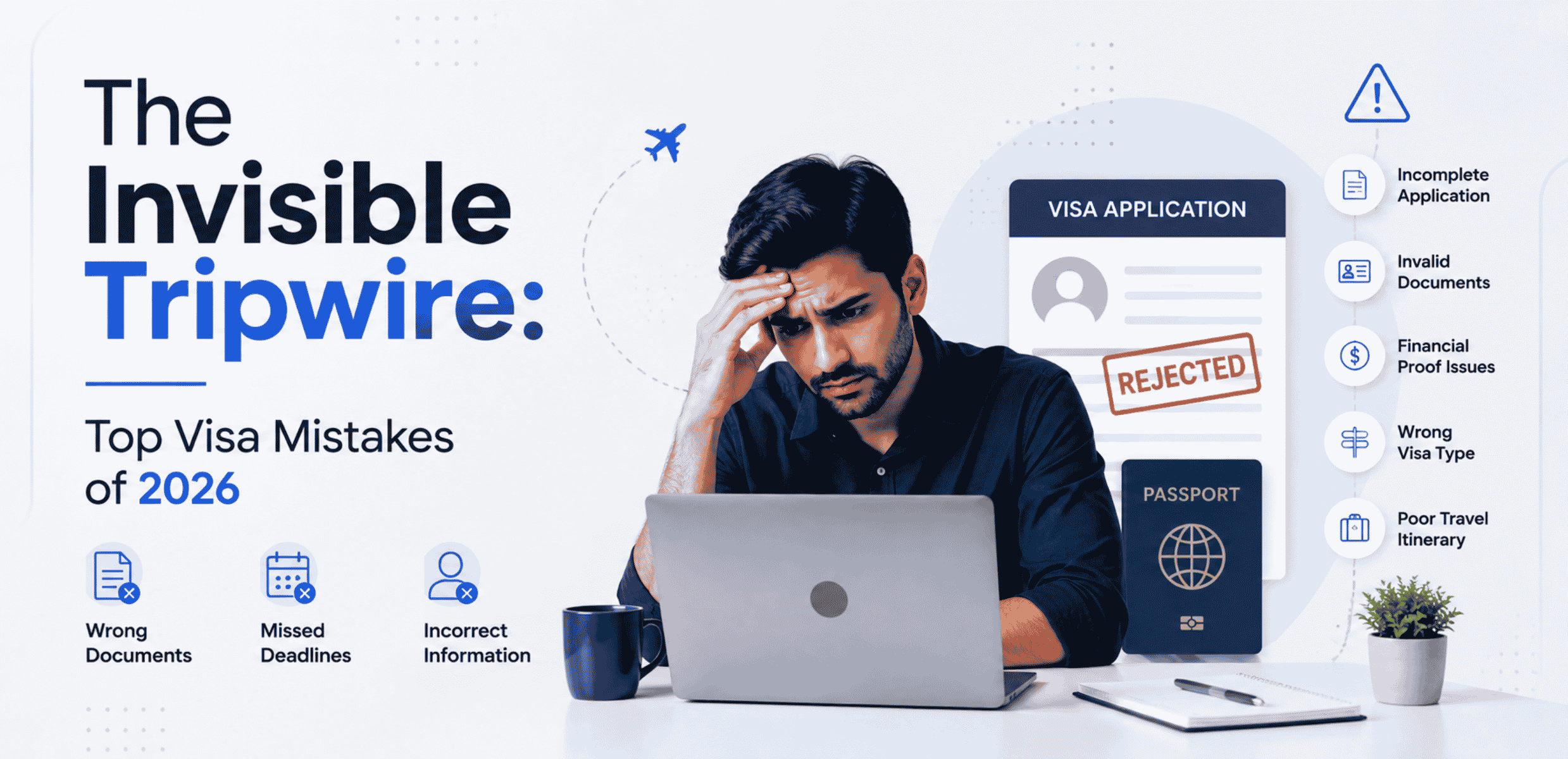
Discover the top visa processing mistakes agencies face in 2026 and how automation can reduce errors, improve efficiency, protect client data, and help visa businesses scale.
Most visa processing mistakes in 2026 don't happen because agencies lack effort they happen because manual workflows quietly break down as application volume grows. From mistyped passport numbers to lost leads in a crowded WhatsApp inbox, these small errors compound into missed deadlines, frustrated clients, and lost revenue. This guide walks through the most common tripwires visa agencies and travel consultants are hitting this year, and the practical fixes that keep applications and client trust on track.
Why Visa Mistakes Are Increasing in 2026
Visa demand has grown faster than most agencies' internal systems. Consultants are managing more countries, more visa categories, and more clients across email, WhatsApp, and phone calls often with the same spreadsheet-based process they used five years ago. As volume increases without a matching increase in structure, errors that were once occasional become routine. Add in more visa categories, more destination countries, and stricter documentation standards from immigration authorities, and it becomes clear why the margin for manual error keeps shrinking. This is the core reason visa processing software and visa automation software have moved from "nice to have" to "operational necessity" for agencies serious about scaling in 2026 and beyond.
1. Manual Passport Data Entry
Typing passport numbers, names, dates of birth, and expiry dates by hand remains one of the single biggest sources of application errors. A single transposed digit can trigger a rejection or a lengthy re-submission process, and the consultant rarely catches the mistake until it's too late.
The fix: An AI passport scanner extracts MRZ and passport data automatically through OCR, eliminating manual keystrokes and the human error that comes with them. This single change removes one of the most preventable mistakes in the entire application lifecycle.
2. Losing Leads Across Scattered Channels
Inquiries arrive through Instagram DMs, WhatsApp, phone calls, walk-ins, and referral forms often all on the same day. Without a centralized system, leads sit unanswered in different inboxes, and by the time a consultant follows up, the traveler has already booked with a competitor.
The fix: A dedicated visa CRM software consolidates every inquiry into one pipeline, so no lead is missed regardless of which channel it arrived through. This is one of the clearest examples of how visa lead management software directly protects revenue that would otherwise leak out silently.
3. Incomplete or Outdated Document Checklists
Visa document requirements vary by country, visa category, and applicant profile and they change frequently. Agencies relying on static checklists or institutional memory often send clients incomplete document lists, resulting in back-and-forth delays or outright rejections.
The fix: Structured visa document management tools attach the correct checklist to each application type automatically, reducing the chance that an agent works from memory or an outdated PDF.
4. Missing Automated Follow-Ups
A prospective client who doesn't hear back within 24–48 hours often assumes the agency isn't responsive even if the delay was accidental. Manual follow-up depends entirely on an individual consultant remembering to reach out, which doesn't scale past a handful of active leads.
The fix: Visa follow-up automation through WhatsApp, SMS, and email keeps every lead warm without requiring a human to remember each touchpoint, directly improving conversion rates on inbound inquiries.
5. No Real-Time Application Status Visibility
Clients frequently call or message asking, "Where is my application?" a question that, without a shared system, forces a consultant to dig through folders or emails just to give an answer. This creates friction for both the client and the team.
The fix: A visa client portal gives applicants self-service visibility into their status, cutting down repetitive status-check calls and freeing consultants to focus on higher-value work.
6. Skipping Eligibility Checks Before Submission
Submitting an application without first confirming the applicant actually meets the visa category's requirements is a costly and avoidable mistake. It wastes government processing fees, delays travel plans, and damages the agency's credibility with the client.
The fix: A visa eligibility checker flags mismatches incomplete documentation, category mismatches, or missing prerequisites before an application is ever submitted, not after.
7. Running Without a Professional, Branded Online Presence
Travelers increasingly research and choose visa consultants online before making contact. Agencies without a professional, trustworthy web presence lose credibility against competitors who look established, even when their actual service quality is comparable.
The fix: White label visa software lets agencies launch a fully branded visa agency website and client portal without building technology in-house, closing the credibility gap quickly.
8. Scaling Operations Without Workflow Automation
Many agencies try to grow application volume using the same manual processes that worked at a smaller scale. The result is bottlenecks: documents sit untouched, statuses go unupdated, and staff spend more time on administrative tasks than on client-facing work.
The fix: Visa workflow automation standardizes each step document collection, verification, submission tracking, and client updates so growth doesn't multiply administrative burden at the same rate.
9. Weak Document Security and Data Handling
Visa applications involve passports, financial statements, and other sensitive personal information. Storing these files across personal devices, shared drives, or unsecured email threads creates real risk both for client trust and for regulatory exposure yet many smaller agencies still operate this way out of habit rather than intent.
The fix: Centralized visa document management keeps sensitive files inside one secure, access-controlled system instead of scattered across personal inboxes and devices, making it far easier to protect client data consistently.
10. Blurring the Line Between Agency Services and Government Authority
Some agencies inadvertently create confusion by implying they can guarantee approval or speed up an embassy's official decision. This damages credibility when outcomes don't match expectations, and it can mislead clients about what an agency actually controls versus what rests with the relevant government authority.
The fix: Clear, honest communication supported by a professional visa client portal that shows exactly what stage an application is at helps agencies set accurate expectations while still demonstrating value through speed, accuracy, and service quality.
How Agencies Are Correcting Course in 2026
The agencies avoiding these tripwires share a common pattern: they've replaced fragmented manual processes with a connected visa processing platform that handles data entry, lead management, document checklists, follow-ups, and status tracking in one place. This isn't about replacing consultants it's about removing the repetitive, error-prone tasks that pull experienced staff away from advising clients and closing new business.
Frequently Asked Questions
What is the most common visa processing mistake agencies make?
Manual passport data entry is one of the most common and costly mistakes, since a single incorrect digit or misspelled name can lead to delays or rejection. Using an AI passport scanner largely eliminates this risk by extracting data automatically.
How can visa agencies reduce application errors?
Agencies reduce errors by standardizing their process with visa automation software automated data extraction, built-in eligibility checks, structured document checklists, and centralized lead tracking all remove the points where manual mistakes typically occur.
Why do visa agencies lose leads even when demand is high?
Leads get lost when inquiries arrive across multiple channels without a central system to track them. A visa CRM software consolidates every inquiry and automates follow-up, so high demand translates into converted clients instead of missed messages.
Is visa automation only useful for large agencies?
No. Smaller agencies and independent consultants often benefit the most, since automation lets a lean team manage a higher volume of applications without proportionally increasing staff or administrative overhead.
Does automation guarantee visa approval?
No. Approval decisions rest entirely with the relevant government or embassy authority. Automation reduces preventable errors on the agency's side such as missing documents or incorrect data but it does not influence or guarantee an official outcome.